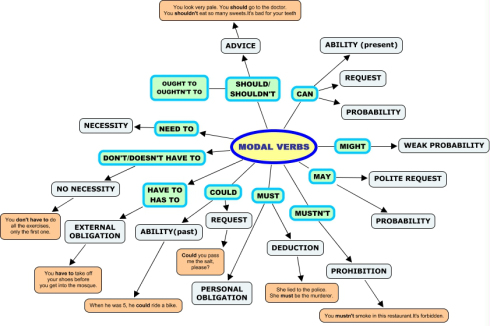
Modal Verbs can be tricky, so I though I would help you guys understand them. Let’s look at need to and had better today!The other day, I showed you how to use must and have to. Today, I’d like to continue the conversation about models and look at need to and had better.Like must and have to, need to is also used
To celebrate the first day of May, we’re going to share some uses of this versatile word with you. (May 1 is known as May Day. You can learn a bit more about May Day here!)
May, the month, was named after the Greek goddess Maia. In Ancient Greek, her name is related to the word for midwife. In the northern hemisphere, May is the month associated with warmer weather and blooming flowers. Did you know?No other month begins or ends on the same day of the week as May within a year. “May” is more than just the name of a month, however.
1) Epistemic modals: may (He may be at home), might (It might get too hot),must (It must be your sister on the phone), ought to (They ought to have heard by now),
Most verbs express an action: drink; laugh; allow...
Verbs like these are called "dynamic" verbs. However, there are some verbs which don't express an action. They express a state which is not changing. These are known as "stative verbs". Some examples of stative verbs are: be; seem; have; want; smell

 Modals "Need to" & "Had Better"


.jpg)
